Hike Tasmania's wildest coastlines, from the sea cliffs of the Tasman Peninsula to Wineglass Bay and the Bay of Fires, with wombats for company on Maria Island.
Highlights
- Clifftop tracks out to the dolerite capes of the Tasman Peninsula
- Day walks to Wineglass Bay beneath the pink granite peaks of the Hazards
- Wombats and Cape Barren geese grazing on Maria Island
- UNESCO-listed convict history at Port Arthur and Darlington
Tasmania Hiking & Walking Tours
Hike Tasmania's wildest coastlines, from the sea cliffs of the Tasman Peninsula to Wineglass Bay and the Bay of Fires, with wombats for company on Maria Island.
Highlights
- Clifftop tracks out to the dolerite capes of the Tasman Peninsula
- Day walks to Wineglass Bay beneath the pink granite peaks of the Hazards
- Wombats and Cape Barren geese grazing on Maria Island
- UNESCO-listed convict history at Port Arthur and Darlington



Plan with a travel expert
Free advice from a team that knows these routes inside out - real people, not a bot
Why Go on a Walking Tour in Tasmania?
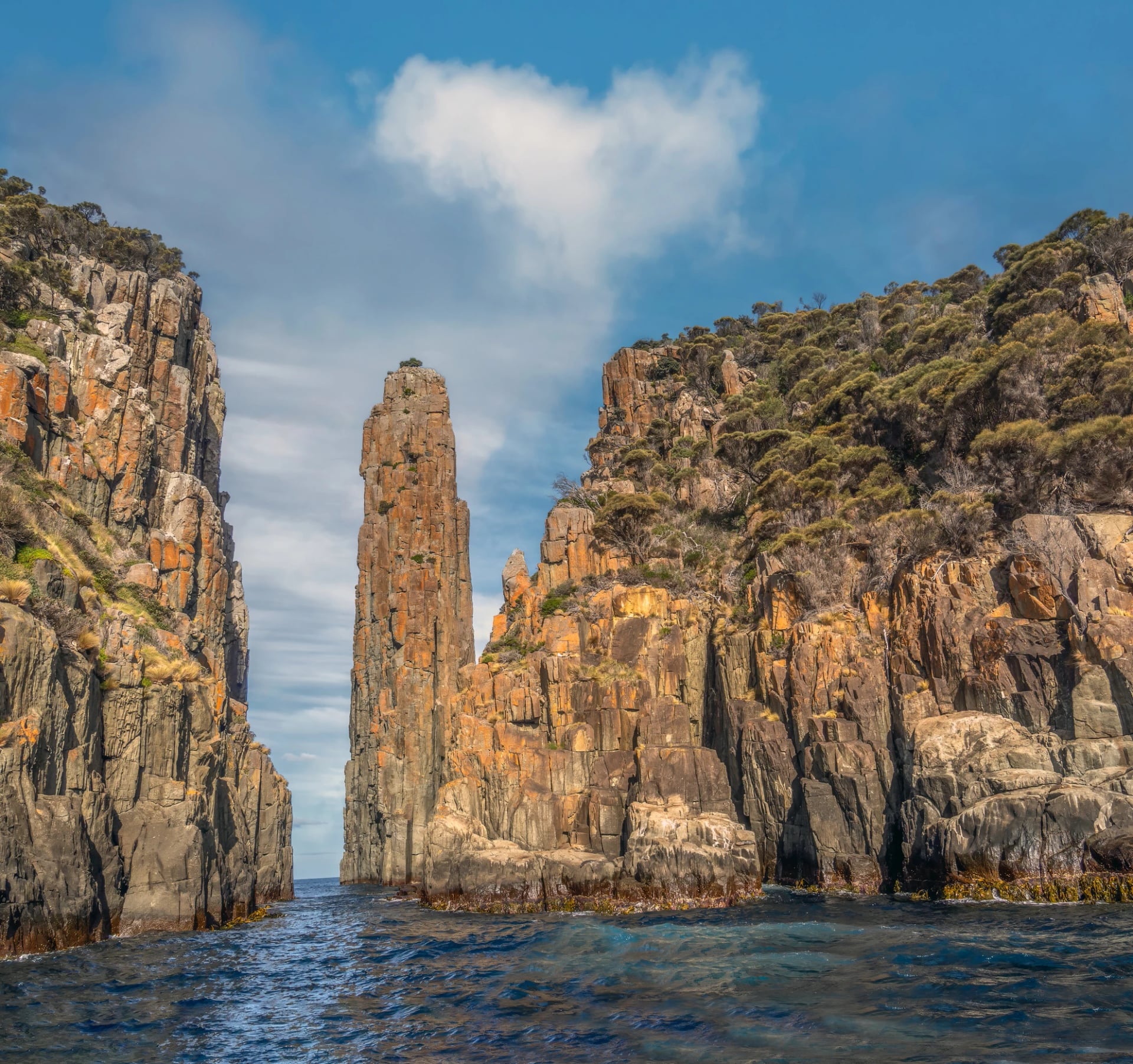
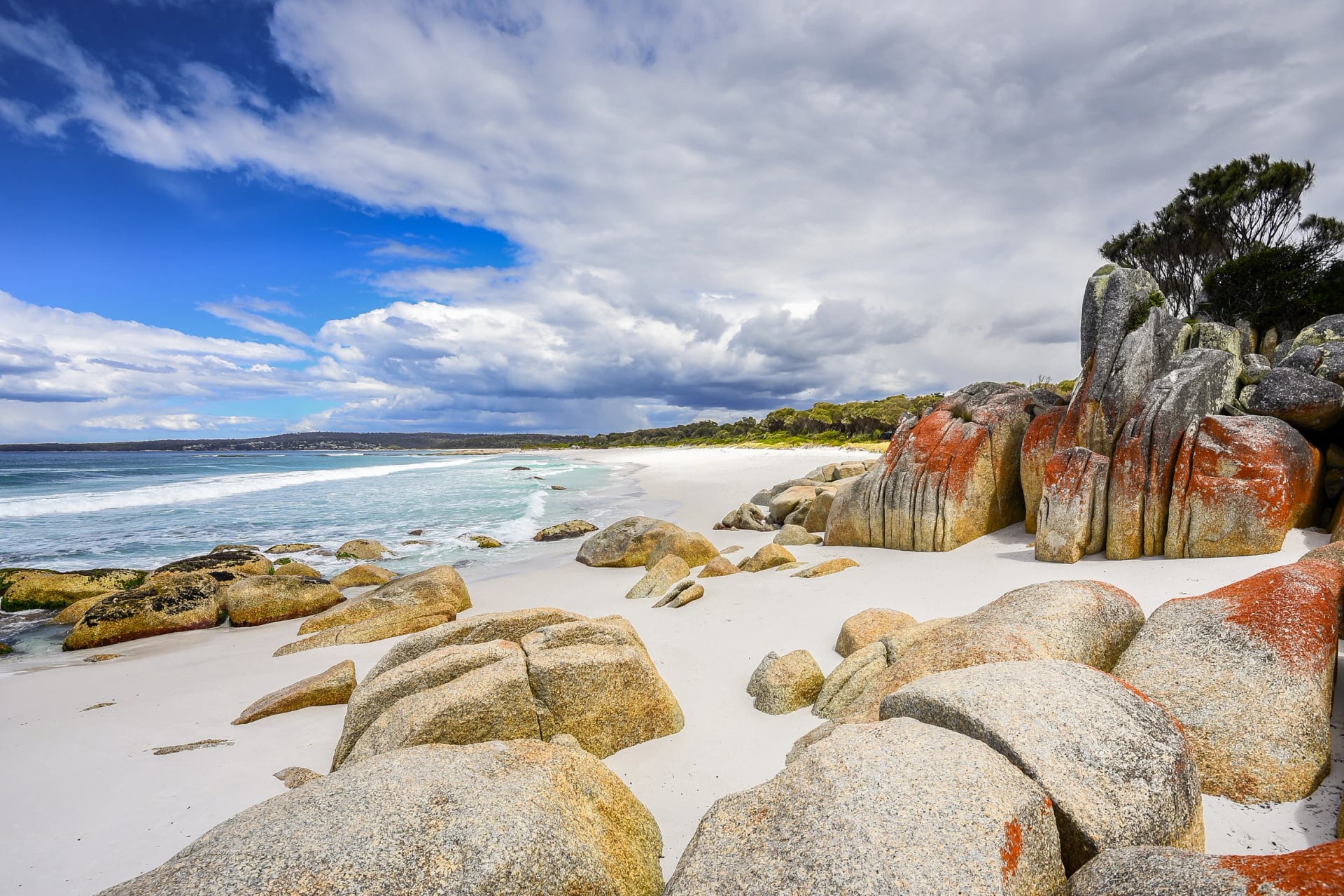
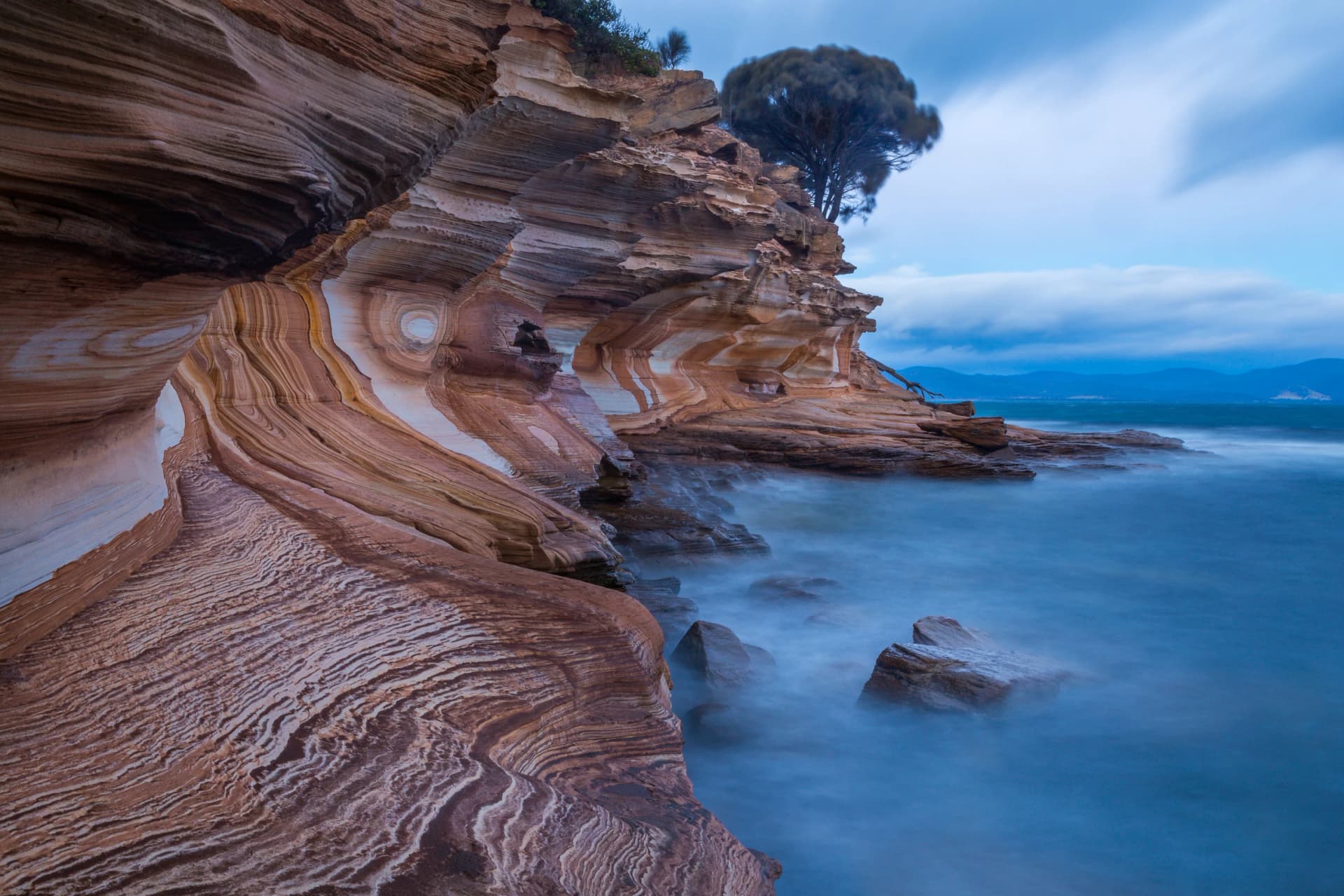
Tasmania's east coast keeps its national parks right on the sea, and the walking changes with the rock. Granite rises from turquoise bays at Freycinet, dolerite caps the summits of Maria Island, and on the Tasman Peninsula the sea has carved softer sandstone into arches and caves.
Freycinet National Park is Tasmania's oldest national park, reserved in 1916 together with Mount Field. The peninsula is two blocks of granite, worn down over 400 million years and joined by the sandy isthmus that forms Wineglass Bay. Its tracks are often steep granite and loose gravel, so wear sturdy boots. The park lies in the homelands of the Oyster Bay nation, and beside Richardsons Beach is one of the most extensive shell middens known on the east coast.
Maria Island has no vehicle access, so you take the half-hour ferry from Triabunna and explore on foot. Aboriginal people made the same crossing by canoe for thousands of years, to the island they knew as wukaluwikiwayna. You are likely to spot forester kangaroos, and Parks Tasmania names the island as a place to see Tasmanian devils, found wild only in Tasmania. The Tasman Peninsula has a healthy devil population of its own, and it keeps growing.
Cape Raoul, the Bishop and Clerk and the Wineglass Bay Lookout all appear among Parks Tasmania's 60 Great Short Walks, the state's own pick of its best walks.
Up the north-east coast, Aboriginal people called the Bay of Fires larapuna: a meeting place for three family groups. In the warmer months, look out for the critically endangered swift parrot.